London met legal limits for toxic nitrogen dioxide pollution for the first time ever in September. In the second of two articles, Lydia Fraser-Ward reflects on a five-year campaign to help us all breathe more easily
In my last article, I shared how I discovered just how polluted Redbridge’s parks and streets were, especially Ray Park and Elmhurst Gardens, which sit alongside the M11 and North Circular. I was shocked by the health risks this posed for children. Motivated by what I found, I began raising awareness and pushing for practical ways to reduce exposure to toxic air in our borough.
I launched a local branch of Mums for Lungs, working with residents and other groups like Wanstead Climate Action. We ran stalls at local events, distributed resources and wrote to councillors, pushing for measures such as expanding School Streets, improving cycling infrastructure and restricting billboard advertising for the most polluting vehicles.
The School Streets scheme closes roads outside schools during pick-up and drop-off hours, reducing children’s exposure to traffic fumes while encouraging walking and cycling. Vanya Marks, a local campaigner, petitioned for Nightingale Primary School to be involved when only six schemes existed borough-wide. She said: “We noticed a visible change in the number of cars and a safer walk to school since these schemes were introduced.” Redbridge now has 27 active School Streets, with six more planned.
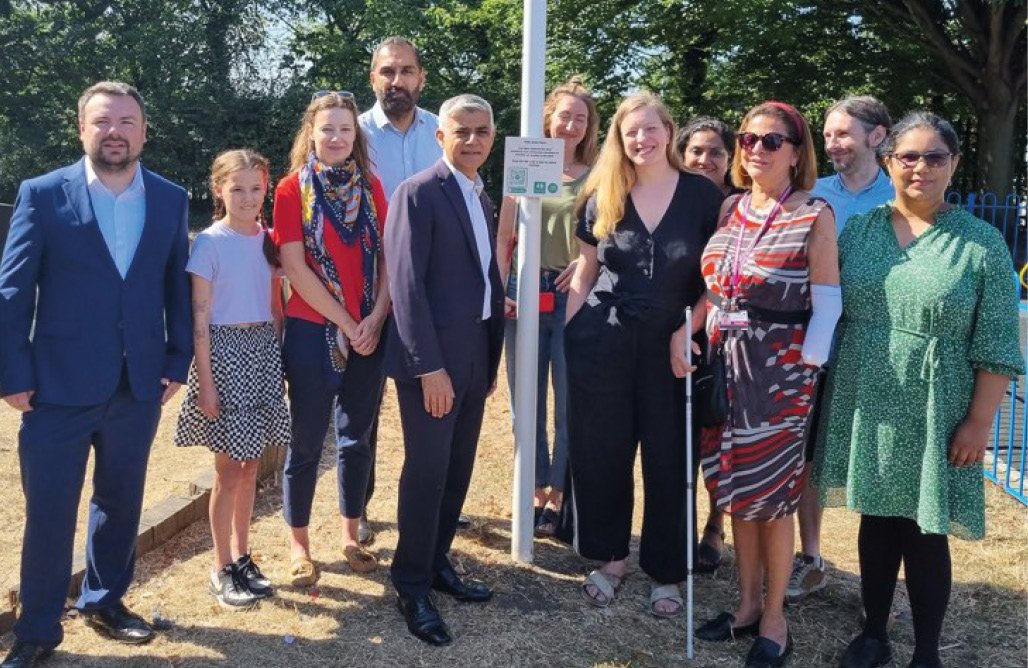
Community action expanded when other local parents secured an air quality sensor at Ray Lodge Primary School, and following a high-profile visit from Mayor Sadiq Khan to a similar sensor in Elmhurst Gardens, the local authority finally agreed to my request to apply for more than £300k in funding from DEFRA to deliver a borough-wide air quality awareness project called We Care for Our Air. More than 80 Redbridge residents volunteered to take nitrogen dioxide readings, walk-to-school maps were developed for pollution hotspots and 400 pupils received cycle training, building on work by Redbridge Cycling Campaign. Dr Mark Hayden, a paediatrician at Great Ormond Street Hospital, is also a local clean air campaigner and helps to organise Ride For Their Lives events in London.
Other campaigners are encouraging residents to reduce their domestic wood burning and lower speed limits in densely populated areas, both of which would help to improve air quality in our neighbourhoods. A reduction in SUV ownership, which disproportionately contribute to the problem of tailpipe emissions, would also make an impact.
The results are encouraging. In September 2025, London met legal nitrogen dioxide limits for the first time since records began. Experts estimate the ULEZ expansion cut levels by 27% across London, with reductions near major roads reaching 82%. For now, it appears cleaner air is finally coming our way. Let’s all play our part to help keep it that way.
For more information on Lydia’s story, visit swvg.co.uk/airquality