At the Woodford Historical Society’s February meeting, Jef Page will be exploring the origins of Redbridge street names, including a number of local streets named after former cabinet ministers
In 1653, Ilford stretched barely 100 yards along the High Road with just 53 houses, and Wanstead and Woodford probably had even fewer. This is, of course, because all the land was farmland, meadows and woods, with very few proper roads.
Even as late as 1816, Woodford had just four roads: the Upper (High, New) Road, Lower (Chigwell) Road, George Lane and Snakes Lane. It’s known that Snakes Lane derives from the Sakes family (circa 1404), who lived at Lanes Farm, just off Snakes Lane in Woodford Wells. Why the spelling changed to Snakes is unknown.
Inmans Row is named after the widow Inman (Christian name unknown). She owned cottages where the church now stands and meadows in 1840 on the green facing All Saints’ Church, which opened in 1874.
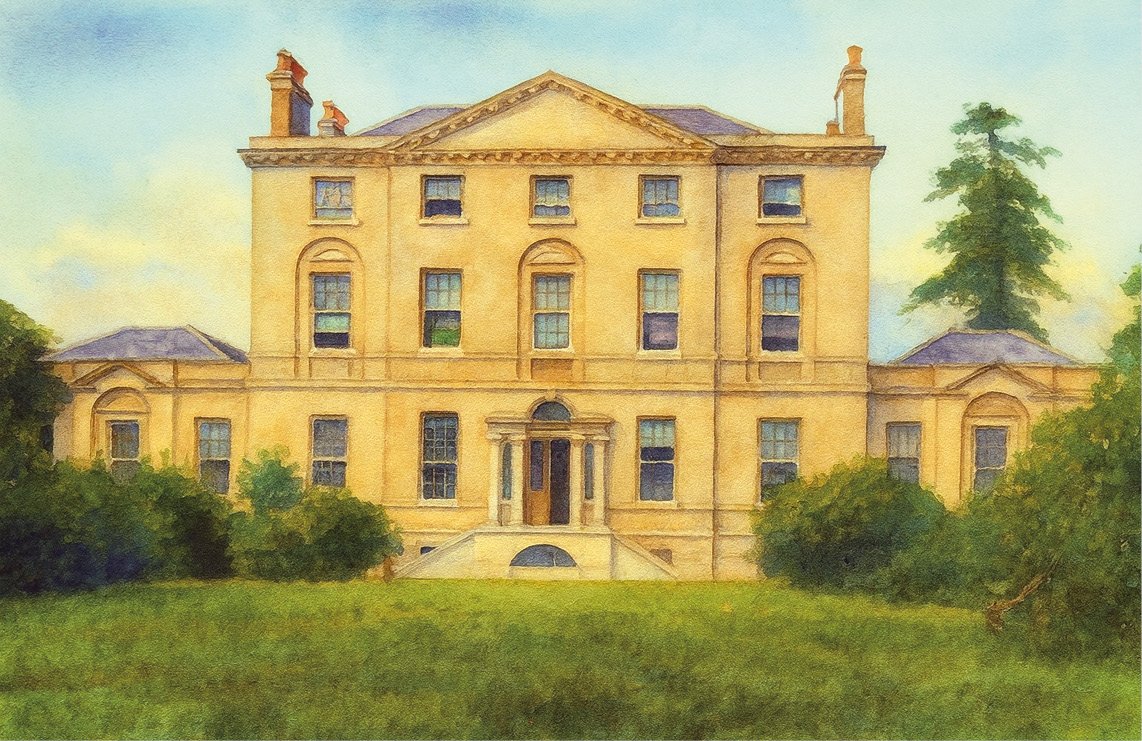
Off Hermon Hill in Wanstead are Nelson, Victory and Wellington Roads: easy to understand why their names were chosen, but the Nutters are remembered by Nutter Lane off the Eastern Avenue. Richard Nutter was churchwarden of Christ Church (1853–61) and lived with his daughters Annie, Mary, Gertrude and Jessie, buried in St Mary’s Wanstead churchyard. By 1911, they’d moved to Applegarth, George Lane. Nutter derives from Middle English, meaning beast or ox; old Norse ‘naut’ meaning cattle. A ‘nothard’ kept oxen and was mainly a northern word. Thomas Applegarth was a rector of Wanstead and his surname is a northern term meaning ‘apple orchard’. The elegant house still exists, built circa 1730 and now Grade II listed.
Woodford Hall estate and its impressive 56 acres was bought by John Maitland in 1801 for £14,000. His son, William, sold part of it to three speculators in 1867, who sold it on for development to the British Land Company (BLC) for £32,000. They acquired a triangle of land, bordered on the south now by the North Circular, to the west by Woodford New Road (A104) and to the east by the High Road (A1199 to Wanstead). The streets were built by various builders over time and were named for Prime Minister Lord Edward Derby’s third, short-lived Conservative government (1866–68). Founded in 1856, the BLC ardently supported extending the franchise to more men, so bought up land to sell small plots as cheaply as possible to give them the necessary property qualification to vote. The road names are very interesting as many of them were named for cabinet ministers (Chelmsford, Buckingham, Carnarvon, Derby, Malmesbury, Peel, Stanley and Walpole). Single-fronted houses were offered at £200, double-fronted £300. On Derby Road, homeowners wouldn’t pay £32 to Woodford Local Board in 1886 to be connected to Woodford New Road: it’s still a cul-de-sac today!
Jef’s presentation will take place at All Saints’ Church hall in Woodford Wells on 12 February from 2.30pm. (visitors: £5). For more information, visit swvg.co.uk/12feb